

4 min read
Unsold HVAC Estimates: Most Contractors Give Up Too Early (and Leave Revenue on the Table)
Chloe Sackett : Oct 5, 2026, 7:44:59 AM
Most unsold HVAC estimates aren't lost to a cheaper bid. The homeowner's decision stalled, and nobody called to help them finish it. Good follow-up finds out what's stuck and gives them an easy way to say yes. Most contractors quit after one reminder, or never start, and the job quietly disappears.
What you'll walk away with
- How to tell which unsold estimates are worth chasing first
- What to say on the follow-up call instead of "just checking in"
- How to handle price pushback without discounting your work
Before You Start: Stop Reading Silence as a No
When a customer doesn't call back, it's easy to assume price. But homeowners go quiet for ordinary reasons. They need to talk to a spouse first. They got one number with nothing to compare it to. They didn't fully follow what they'd be paying for, or they have financing questions they don't want to ask. The repair doesn't feel urgent yet. Sometimes they just forgot.
Every one of those is fixable with a phone call. That homeowner already found you, let your tech in, and heard the recommendation. Winning them back is almost always cheaper than buying a new lead, which is the same math behind HVAC customer retention.
How to Follow Up on HVAC Estimates That Haven't Been Accepted
1. Sort your open estimates by what they're worth
Not every estimate deserves the same effort. Start with safety issues and failing equipment, then big-ticket replacements, then everything else. Make it a weekly routine with one person who owns it, not something the office gets to when the phones are slow.
2. Set the follow-up before you leave the house
Before your tech walks out, they tell the homeowner exactly when to expect a call: "I'll ring you Thursday afternoon to answer anything that came up." Now the call is expected instead of intrusive. If the hesitation starts at the kitchen table, here's what to say when a homeowner says they'll wait on that HVAC repair.
3. Call first, then text
A text is easy to ignore. A call lets you hear what's really going on. Whenever you can, the person who was in the home should make it, because the homeowner already trusts them. If it goes to voicemail, send a short text so they have your number in writing.
4. Lead with a question, not the price
Skip "Are you ready to move forward?" Ask "Did anything come up after I left that I can help clear up?" Then listen. The answer tells you whether you're dealing with a spouse, a money question, or just a busy week.
5. Offer a different option instead of a discount
If price is the snag, cutting your number teaches customers your prices are negotiable. Offer a smaller scope instead, like a repair instead of a replacement. They get a number they can say yes to, and your pricing stays intact.
6. Know when to stop
Call two or three days after the visit, again about a week later, and once more around 30 days. Still no decision? Move the estimate to a seasonal check-in list instead of deleting it. A homeowner who wasn't ready in September may be very ready the first cold night in November.
Where Shops Get Estimate Follow-Up Wrong
|
Do this Have the person who was in the home call, ask what's holding the homeowner up, and give them a real next step. |
Not this "Just checking in, let us know when you're ready." It puts the work back on the homeowner and answers nothing, so it gets ignored. |
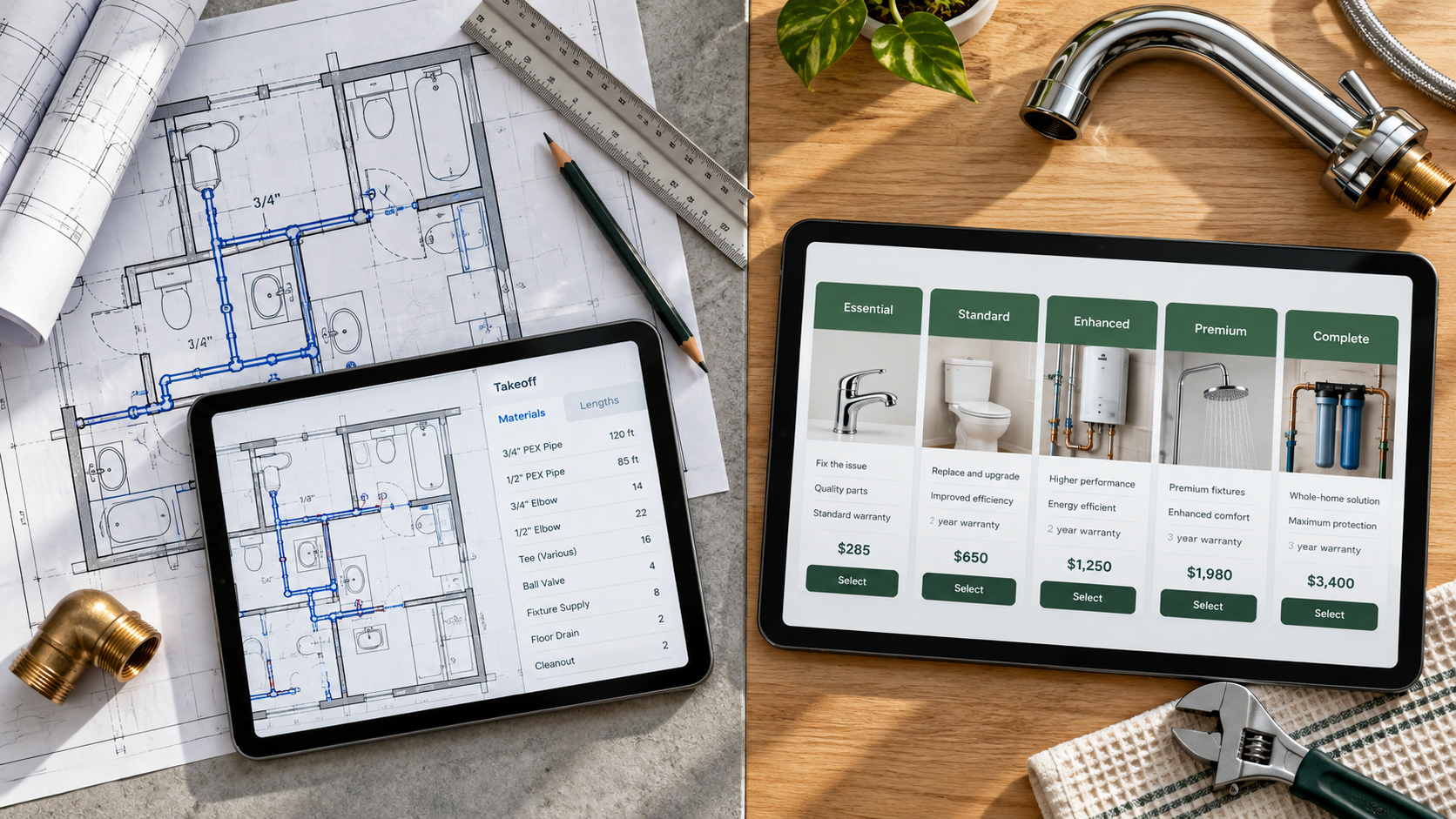
The other mistake happens before the estimate ever goes out. One price, take it or leave it, gives the homeowner no way to say "yes, but smaller," so many of them pick "not right now." That's why one price kills your close rate, and it's one of the pricing bottlenecks that cost you revenue. When techs present a few clear options in the home, fewer estimates stall, and the follow-up call has something to work with.
"Every deferred repair that never gets a real follow-up is revenue quietly leaving the business."
What to Say When a Homeowner Says They'll Wait on That HVAC Repair
Want the next one in your inbox?
Pricing, sales, and keeping good techs — plus training and events as they come up.
Key takeaways
- A homeowner who goes quiet after an estimate usually hasn't said no. The decision stalled.
- Spouses, confusion, money questions, and timing stall estimates just as often as a cheaper bid.
- Sort unsold estimates by value and urgency, and give follow-up a weekly owner.
- The person who was in the home should make the call, and open with a question, not the price.
- When price is the issue, offer a smaller scope instead of a discount.
- Presenting options in the home means fewer estimates stall in the first place.
Common questions
How soon should I follow up on an HVAC estimate?
Two or three days after the visit is a good first touch. The conversation is still fresh, and the homeowner has had time to talk it over. Even better, tell them before you leave exactly when you'll call.
Should I offer a discount to close an unsold estimate?
Usually not. Discounting trains customers to wait you out and cuts into your margin. If price is the problem, offer a smaller scope or a different option so the homeowner has a price they can say yes to.
Should the tech or the office make the follow-up call?
The tech or comfort advisor who was in the home is usually the best person, because the homeowner already knows them. If that isn't practical, the office can call, but they should mention the tech by name and know the details of the visit.
How Much Are Your Unsold Estimates Costing You?
Unsold estimates are one of the easiest places for revenue to slip away without anyone noticing. The Revenue Leak Checklist walks you through the spots where money leaks out of your business, so you can see which ones to fix first.
The Service Agreement That Keeps Your Customer Isn't the Same One That Makes You Money
A successful HVAC service agreement has to do two jobs: give the homeowner a reason to stay and give the contractor a reason to keep serving them....