

3 min read
The Quiet Cost of Unfinished Estimates
Suzanne Wedeven : Feb 2, 2026 4:05:54 PM
Table of Contents
The Quiet Cost of Unfinished Estimates
Written by: Suzanne Wedeven
With the new year underway, I’ve been doing a little reflection, not just on last year, but on how the small moments in our day-to-day work have a real impact on the business. One thing that has been on my mind is how missed or unfinished estimates don’t just disappear…they turn into real cash-flow gaps later on. And I want to talk openly about that.
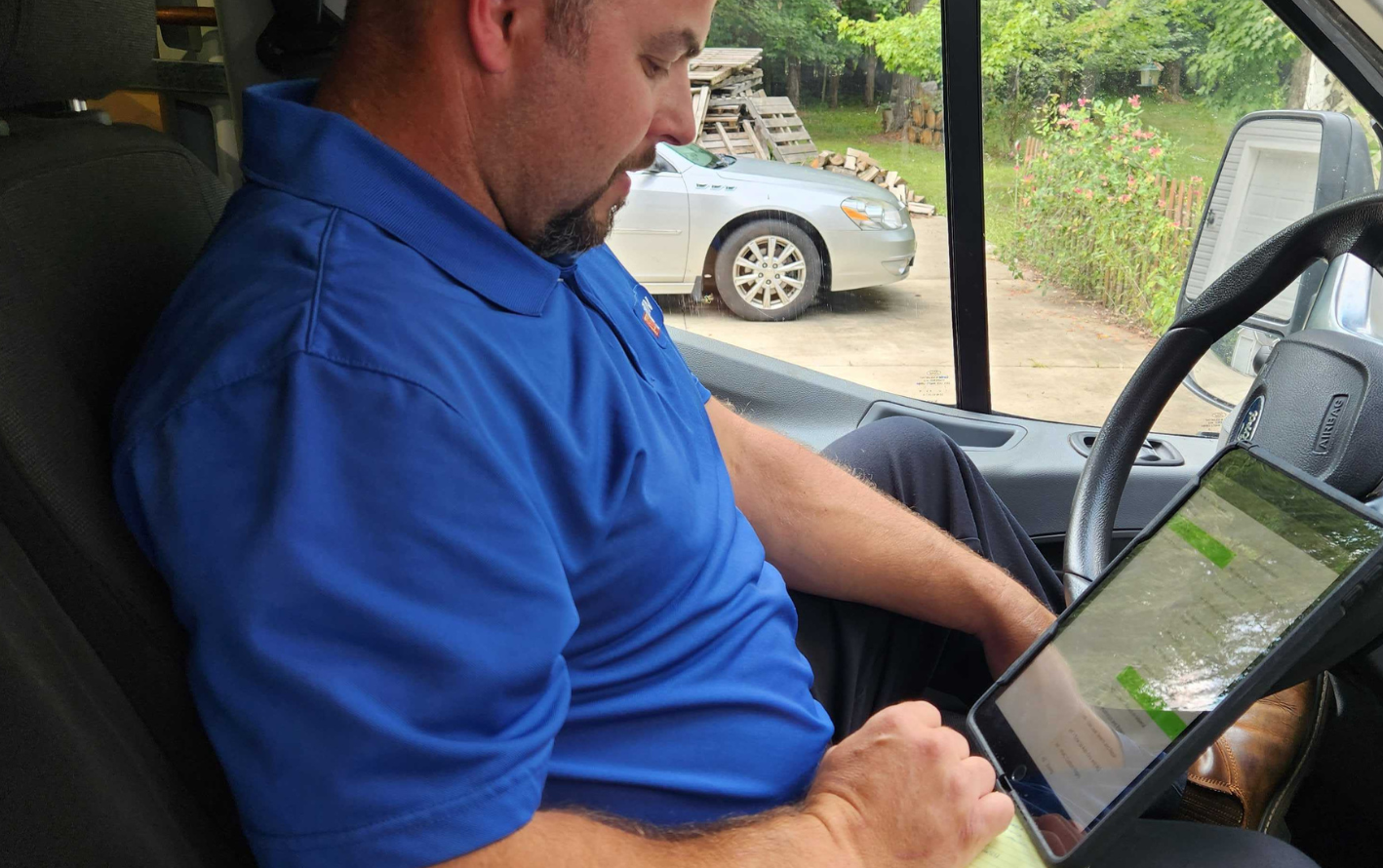
A while back, I ran an estimate that felt good. The customer was engaged. We talked through options. He nodded, asked smart questions, and seemed comfortable. I left thinking, “That went pretty well.” And then… NOTHING! No call back. No email. Just silence. I remember checking my phone a few times that week, half-expecting their name to pop up. It never did. At the time, I blamed the price or timing. But looking back, I realized something uncomfortable: I never really finished the conversation.
The Part I Missed
I ended that call with something polite: “Just let me know what you want to do.” Which sounds respectful — and it is. But it also puts all the weight of the next step on the customer. And customers already have enough on their plate. That moment stuck with me because I did not lose the job by doing something wrong. I lost it because I didn't guide the ending. If you have been in home services longer than about five minutes, you’ve probably lived this exact scenario too.
Why Estimates & Leads Actually Matter
Every estimate represents more than just a number. It’s:
- Time already spent in the home.
- A lead someone trusted you enough to call in.
- A chance to keep schedules full and predictable.
- A building block for steady work and long-term growth.
When estimates quietly fall away, it’s rarely dramatic, but it shows up later as slower weeks, tighter schedules, and more pressure than we need. That’s why tightening up estimates and follow-up isn’t about sales. It’s about respecting the work that already went into earning that lead.
Why This Happens (Even When We’re Doing Good Work)
This is not about effort or skill. It is about real life. We’re thinking about:
- The next job on the schedule
- Traffic
- Phones ringing
- The lunch we skipped
- Everything is waiting for us afterward
So, we wrap things up and move on. From our side, that feels efficient. From the customer’s side, it often feels unfinished.
The Numbers Line Up With This
Across home service businesses, the data stays pretty consistent:
- Warm inbound estimates typically close 45–60%
- Older or follow-up estimates close 20–30%
- When warm estimates fall under 30%, it’s rarely about price
Most customers didn’t say no. They just didn’t know what the next step was or when they would hear from us again.
Where Follow-Up Really Makes the Difference
One thing I’ve learned is this: Speed and clarity matter more than persistence. A simple rhythm works incredibly well:
- Within 24 hours: Quick check-in
(“Just making sure you got everything and seeing if you have questions.”) - 2–3 days later: Gentle follow-up
(“Wanted to see where this landed for you.”) - 5-6 days later: One last check-in: Clear, respectful close
(“If now isn’t the right time, no problem — just let us know when I can follow up again.”)
Follow-up isn’t chasing. It’s continuing a conversation we already had. And it works best when the customer already knows: “This is when they said they’d check back in.”
The Small Shift That Makes a Big Difference
The teams that improve don’t become pushy or salesy. They do two simple things well:
- Finish the estimate conversation.
- Set a clear follow-up expectation.
That can sound like:
- “If you want to think on it, I’ll check back in tomorrow.”
- “Would it be okay if we followed up in a couple of days?”
- “I’ll have the office reach out within 24 hours.”
That is not pressure. That is professionalism.
A Simple New-Year Challenge
Nothing formal. Nothing heavy. On your next few estimate-related conversations:
- Pause before you end it.
- Ask one clear next-step question.
- Set a specific follow-up window (24 hours, 2 days, etc.).
If it feels a little awkward at first, that is normal. It did for me, too.
A Positive Way to Look at This
Here is the part I’m excited about. We don’t need more leads. We don’t need harder days. We don’t need to overhaul everything. We already do good work. We already earn trust. We already have the opportunity in front of us. All we are talking about is finishing strong and following through. One conversation at a time.
As we continue throughout the year, I’m confident that small, intentional habits like this will add up quickly. We appreciate the effort, the pride, and the care you bring every day, and we are genuinely excited about what we will accomplish together. Let’s make this a strong, steady year! The New Flat Rate is honored to be part of your journey.
Want to Chat?
Give me a call at 706-309-1978.
How to Motivate Installers Without Burnout