

7 min read

7 HVAC Marketing Strategies That Actually Book Jobs

7 HVAC Marketing Strategies That Actually Book Jobs

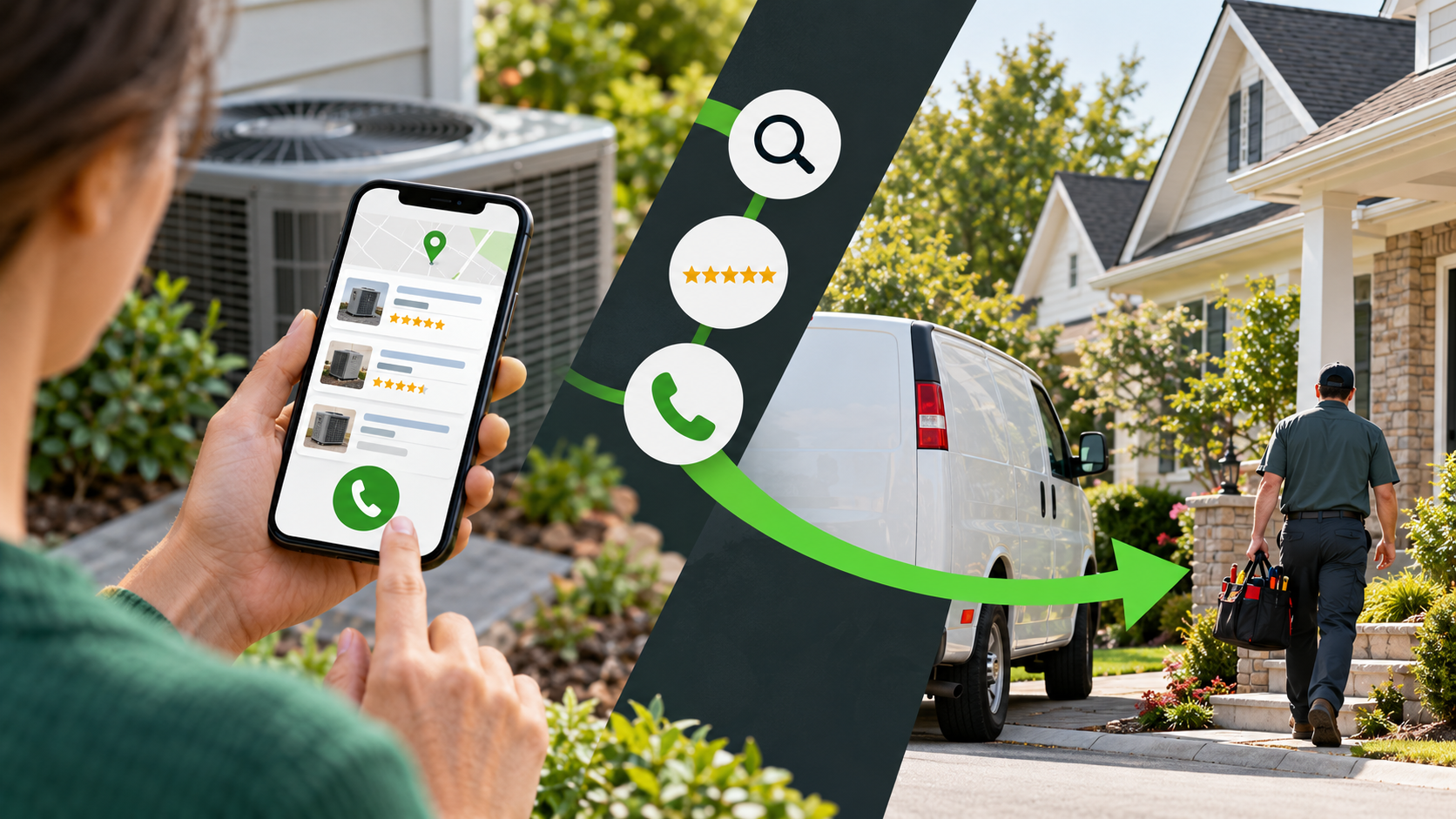
The marketing that books HVAC jobs is the marketing that puts you in front of people who already need service. That means showing up when a homeowner searches, having the reviews to earn the call, answering the phone, and knowing which channels turn into booked jobs.

What you'll walk away with

  • Seven marketing channels, ranked by how close each one sits to a booked job
  • What to spend less on until the basics are working
  • How to set your budget by cost per booked job instead of a percentage rule

Is branding really the foundation of HVAC marketing?

Branding, a polished website, and consistent social media all have their place. But they support the marketing that books jobs. On their own, they rarely fill a schedule.

It's the most common advice in the industry. Build a strong brand, get a professional website, post on social media every week, and the leads will follow.

The problem is how HVAC jobs actually start. Most begin with a problem: the AC quit, the furnace won't light, the house smells like something's burning. The homeowner grabs their phone, searches, and calls whoever shows up near the top with good reviews. Then they book with whoever answers.

Your brand matters in that moment. A clean logo and wrapped trucks help people trust you and remember you next time. But branding gets its value after someone has already found you. It doesn't put you in front of the homeowner with a broken AC.

The same goes for social media. It can build familiarity in your area, but it's rarely where a no-cool call starts. And a website needs to load fast and make calling you easy. Past that point, a redesign usually books fewer extra jobs than fixing how your calls get answered.

So start with the channels that catch people who need you now. Then use branding to make those channels work better.

7 HVAC marketing strategies that actually book jobs

These are ordered by how close each one sits to a booked job, starting with the channels homeowners use when they need help today.

1. Get your Google Business Profile right

Your Google Business Profile is often the first thing a homeowner sees when they search "AC repair near me." It's free, and it's where a lot of HVAC calls start.

Fill out every section: service categories, service area, hours, photos of your team and trucks, and the specific services you offer. Keep your hours accurate, especially after hours and on weekends. A profile that says you're open when you aren't creates bad reviews fast.

2. Build a review habit, not a review campaign

Reviews decide who gets the call when a homeowner is choosing between three companies on the same screen. A company with steady, recent reviews looks more trustworthy than one with a burst from two years ago.

The fix is a habit, not a push. Ask on every completed job, and text the review link before the tech leaves the driveway, while the experience is fresh. Respond to reviews too, including the bad ones. Future customers read your replies.

3. Run Local Services Ads

Local Services Ads appear at the very top of Google search results, above the regular ads. You pay per lead instead of per click, and homeowners can call you straight from the ad.

To qualify, your business has to pass Google's license and background verification. Once you're running, watch your leads closely. You can dispute leads that don't fit, like wrong service area or solicitation calls, so you're not paying for junk. Your review count and response time also affect how often your ad shows, which ties strategies 2 and 5 directly to this one.

4. Use search ads for the services you most want to sell

Pay-per-click ads let you target the exact searches that turn into your most valuable jobs. Think "AC replacement [city]" or "furnace repair near me," not broad terms like "HVAC."

Send each ad to a page about that specific service, not your homepage. Someone searching for AC repair shouldn't have to hunt for a phone number. And put a tracking number on every campaign so you know which ads make your phone ring.

5. Answer the phone like it's your best marketing channel

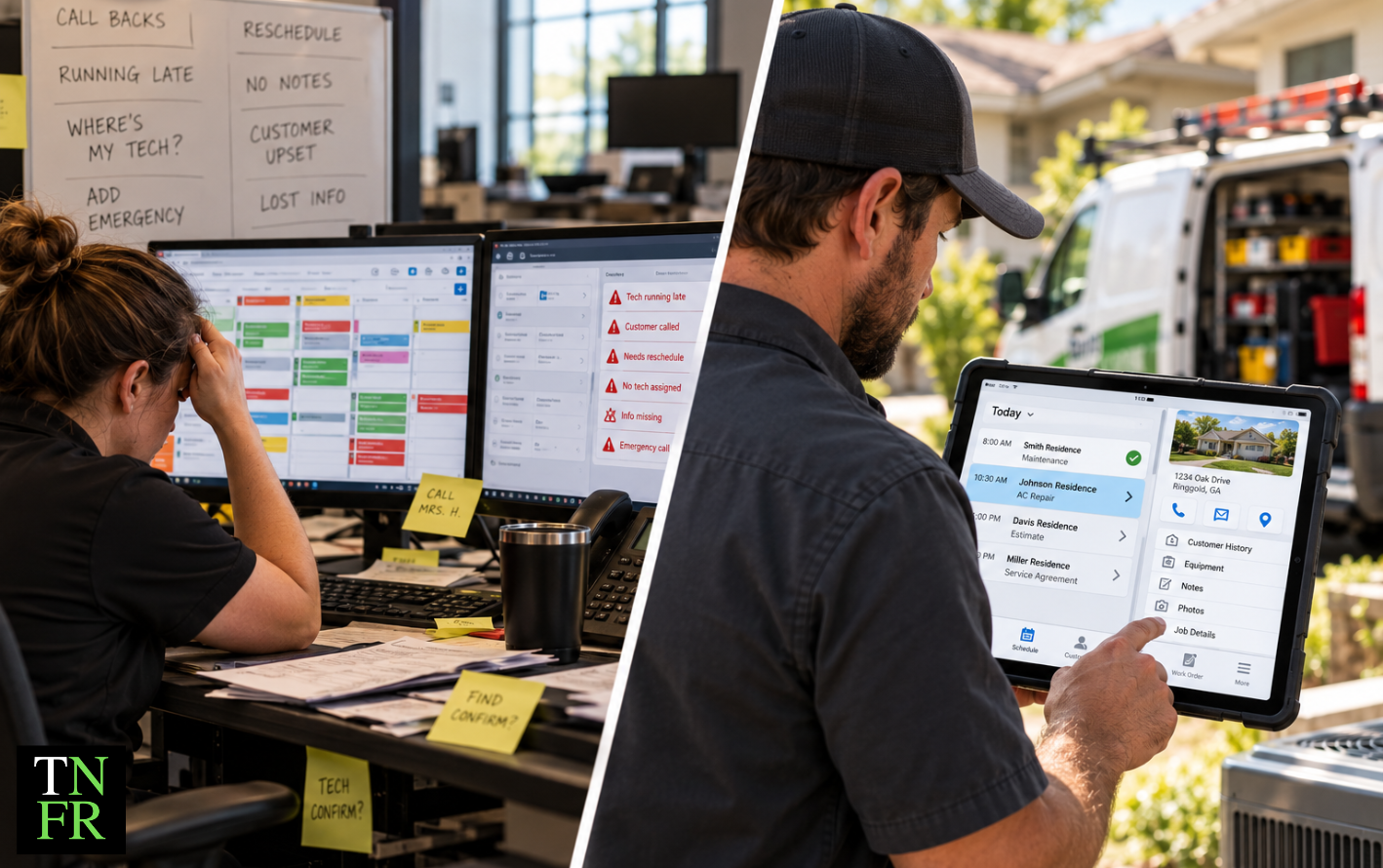
Every channel on this list does the same job: it makes your phone ring. If that call goes to voicemail at 7 p.m. or gets handled by a CSR who doesn't book it, you paid for the lead and got nothing.

This is why booking rate matters as much as lead volume. Track how many calls turn into scheduled appointments, listen to calls that didn't book, and have a plan for after-hours calls. A homeowner with no heat in January is going to call the next company on the list, not wait for your office to open.

Improving your booking rate is often the cheapest marketing win available. You're paying for those calls already.

6. Send direct mail to the right homes, not every home

Direct mail still works for HVAC when it's targeted. Blanket mailers to an entire zip code burn money. Mailers to neighborhoods with aging systems, or to new homeowners who haven't picked an HVAC company yet, reach people who are much more likely to need you soon.

Give every mailer its own phone number or landing page so you can see which lists and offers produce booked jobs.

7. Track cost per booked job, not cost per lead

This is the strategy that makes the other six work. A cheap lead that never books isn't cheap. An expensive lead that books a system replacement might be the best money you spend all year.

For every channel, track four things: leads, booked jobs, completed jobs, and revenue. Then divide what you spent by the jobs it booked. That number tells you where to put more money and what to cut.

Without it, you're choosing channels based on which agency tells the best story.

Want the next one in your inbox?

Pricing, sales, and keeping good techs — plus training and events as they come up.

What should HVAC companies spend less on?

Do this

Fix how your calls get answered and track cost per booked job before you add new channels.


Not this

Redesign the website or buy untracked leads first. You end up paying for calls that never book.

Until the basics above are working, these usually deserve less of your budget:

  • Lead-buying apps without tracking. Some contractors do well with them. Many end up paying for shared leads that never book. If you use them, measure cost per booked job and be ready to walk away.
  • Social media as a lead source. Post if you enjoy it and it fits your brand. Just don't expect it to fill the schedule on its own.
  • Website redesigns before phone fixes. A beautiful site doesn't help if the calls it generates go unanswered.
  • Broad brand awareness campaigns. Billboards and radio can work for established companies with the budget. They're a hard place to start.

Keep in mind this is all about finding new customers. Keeping the ones you already have is often cheaper, and we break down that comparison in HVAC Customer Retention: What Costs Less?

How much should an HVAC company spend on marketing?

You'll see advice ranging from a few percent of revenue to 20% or more, and none of it fits every company. A better way to set your budget is to work backward.

Start with what a booked job is worth to you on average. Then look at what each channel costs per booked job. If a channel books jobs for well under what they bring in, it's earning more budget. If it doesn't, no percentage rule will fix it.

Your stage of growth matters too. A company pushing into a new market spends differently than one protecting an established base. We walk through how that changes as you grow in HVAC Business Growth: A Practical Guide for Contractors at Every Stage.

Why the same marketing works better for some HVAC companies than others

Two companies can run the same ads, in the same market, at the same cost per booked job, and get completely different results. The difference usually shows up after the tech walks in the door.

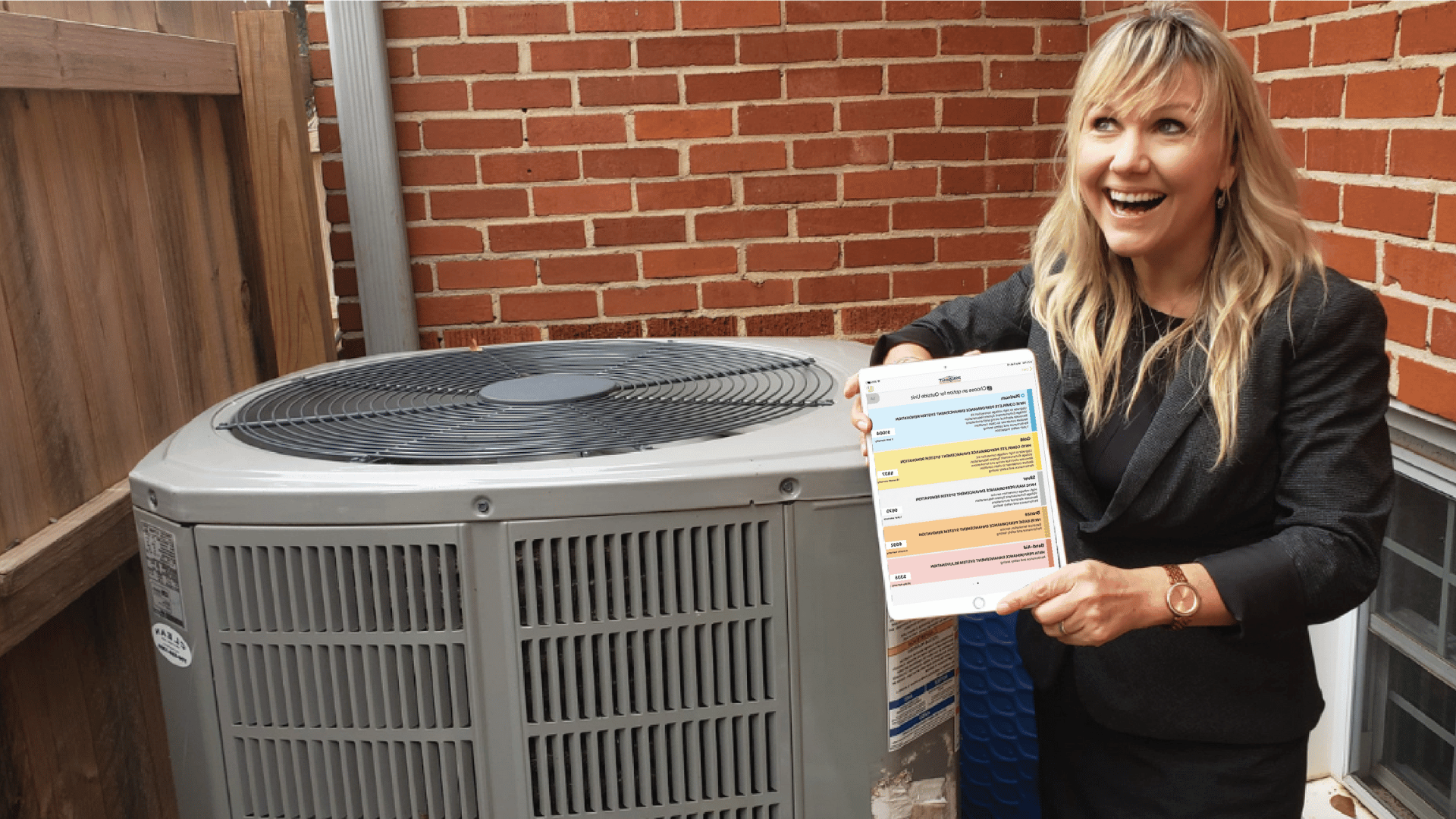
If your average ticket is low, every marketing channel looks expensive, because each booked job doesn't bring in enough to cover what it cost to get. Raise what each call is worth, and the same marketing suddenly pays off. That usually comes down to pricing and how options get presented to the homeowner. When techs show clear, tiered options on every call instead of a single price, homeowners pick the level that fits them, and average tickets tend to rise without any extra ad spend.

That's why marketing and pricing belong in the same conversation. If you're spending more on leads while your revenue per call stays flat, the leak may not be in your marketing at all. We cover the most common places revenue slips away in The HVAC Pricing Guide: 8 Bottlenecks That Are Costing You Revenue.

Key takeaways

  • Most HVAC jobs start with a problem and a search, so the channels that catch homeowners who need service now book the most jobs.
  • Branding, websites, and social media support your lead channels, but on their own they rarely fill a schedule.
  • A complete Google Business Profile and a steady review habit decide who gets the call.
  • Every channel depends on answering and booking the call, which makes booking rate one of the cheapest wins available.
  • Track cost per booked job, not cost per lead, for every channel you pay for.
  • Set your budget by working backward from what a booked job is worth, not from a percentage rule.
  • A higher average ticket makes the same marketing pay off, which is why pricing and marketing belong in the same conversation.

Common questions

What is the best marketing for HVAC companies?

The best HVAC marketing reaches homeowners who need service right now. For most companies that means a well-maintained Google Business Profile, a steady flow of reviews, Local Services Ads, and targeted search ads, backed by a phone process that books the calls those channels generate.

How do HVAC companies get more leads?

Start with the channels where homeowners are already searching: Google Business Profile, Local Services Ads, and search ads for your key services. Then improve your booking rate so more of the leads you already get turn into jobs. That's often faster and cheaper than buying more leads.

Is social media worth it for HVAC companies?

Social media can build familiarity and trust in your area, but it's rarely where urgent HVAC calls start. Treat it as support for your other marketing, not as your main lead source.

Are HVAC lead generation services worth it?

Results vary widely. Some contractors get booked jobs at a good cost, and others pay for leads that are shared with competitors or never convert. If you try them, track cost per booked job from the start and cut them if the numbers don't hold up.


Getting the calls but not the revenue?

The HVAC marketing that works isn't the flashiest. It catches homeowners when they need help, earns the call with good reviews, and turns that call into a booked job. Your marketing gets you in the door. Your pricing decides whether it paid off. The Pricing Playbook shows you how to price your services so every booked job is worth what it cost you to get.

Download the Pricing Playbook →