

Don’t Judge Your Next Technician By Her Purple Hair
 Danielle Putnam : Aug 7, 2026, 5:13:05 PM
Don’t Judge Your Next Technician By Her Purple Hair By Danielle Putnam
5 min read
Hiring pressure often leads contractors to compete for the same small pool of experienced technicians. Home Service Training Programs offer another option: bring in people with the right qualities and teach the technical skills they need.
That approach takes time, planning, and money before a new hire can work independently. Without a deliberate system, however, early uncertainty can undermine an employee’s confidence in the opportunity.
Danielle Wernert, owner of Upskilled Consulting LLC, works in training and development for the home service industry. She started at Peterman Brothers, where she helped build a technician academy before developing onboarding, training dashboard, and academy structures for other companies.
The sections below break down how contractors can broaden their candidate pool, prepare mentors, make the first 90 days more reliable, and show employees a clearer direction for growth.
A narrow definition of qualified talent keeps many contractors pursuing the same experienced applicants. When a company is prepared to teach practical skills, it can also consider people who are ready to work, serve customers well, and build a career.
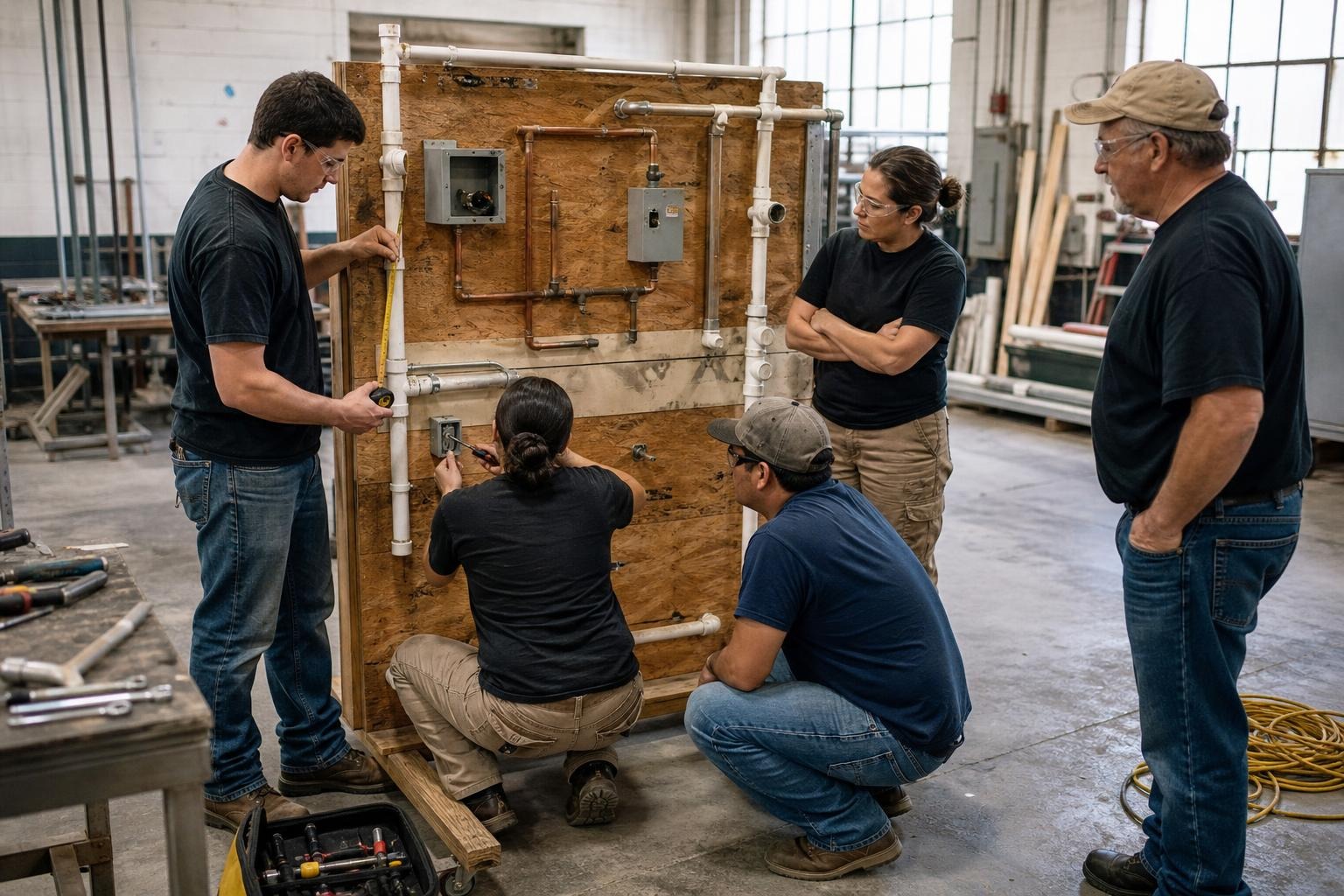
An entry-level candidate may not yet know how to read a tape measure or use field equipment. Those skills can be taught, while responsibility, work ethic, and respect for customers are more important to identify during hiring.
Candidates need more than a general promise of development. A defined training timeline, a structured process, and a visible investment in their progress make the opportunity easier to understand and assess.
Wernert identified emergency-response professionals, including police officers, firefighters, and medical emergency workers, as a potential source of career changers. Their desire to help people can align with the problem-solving work involved in serving homeowners.
This does not mean hiring without standards. It means separating the qualities a person needs on day one from the technical capabilities the company is prepared to teach.
Home Service Training Programs become a credible hiring advantage only when the promised instruction is real. Clear expectations and dependable follow-through give candidates a reason to pursue the path.
Technical competence matters, but it does not replace reliability, respect, and a willingness to learn. Contractors that define their nonnegotiable behavior standards can build a more practical plan for teaching the skills that follow.
Customer-facing work depends on how employees conduct themselves in homes and around coworkers. A candidate who takes responsibility and fits the company culture may be a stronger long-term prospect than an experienced applicant with poor judgment.
Hiring inexperienced employees in the busiest part of the season can create additional strain when support is not ready. Workload, timing, and available coaching capacity should shape when a company brings new people aboard.
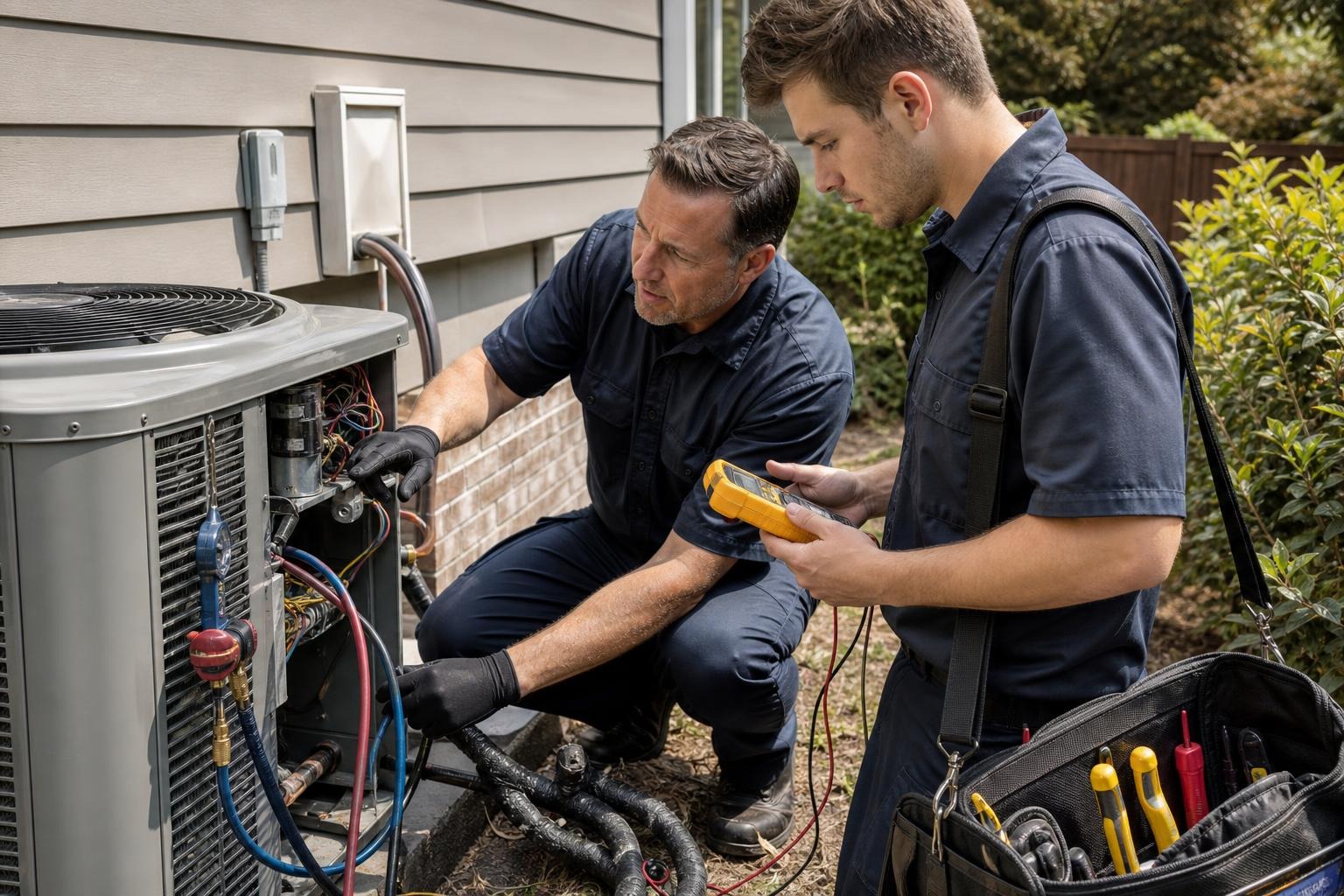
A senior technician is not automatically equipped to train another person. Mentors need organization, checklists, and support so they can teach intentionally instead of simply taking a new hire along.
These steps protect both the new hire and the mentor from an unclear arrangement. They also reduce the risk of placing someone in the field before sufficient preparation is in place.
A sound training process starts with clear behavior expectations and real support. The aim is a capable teammate, not a rushed placement in a truck.
An informal check-in is not the same as a plan for a new employee’s first 90 days. A written playbook gives leaders, mentors, and employees a shared way to track readiness, questions, and next steps.
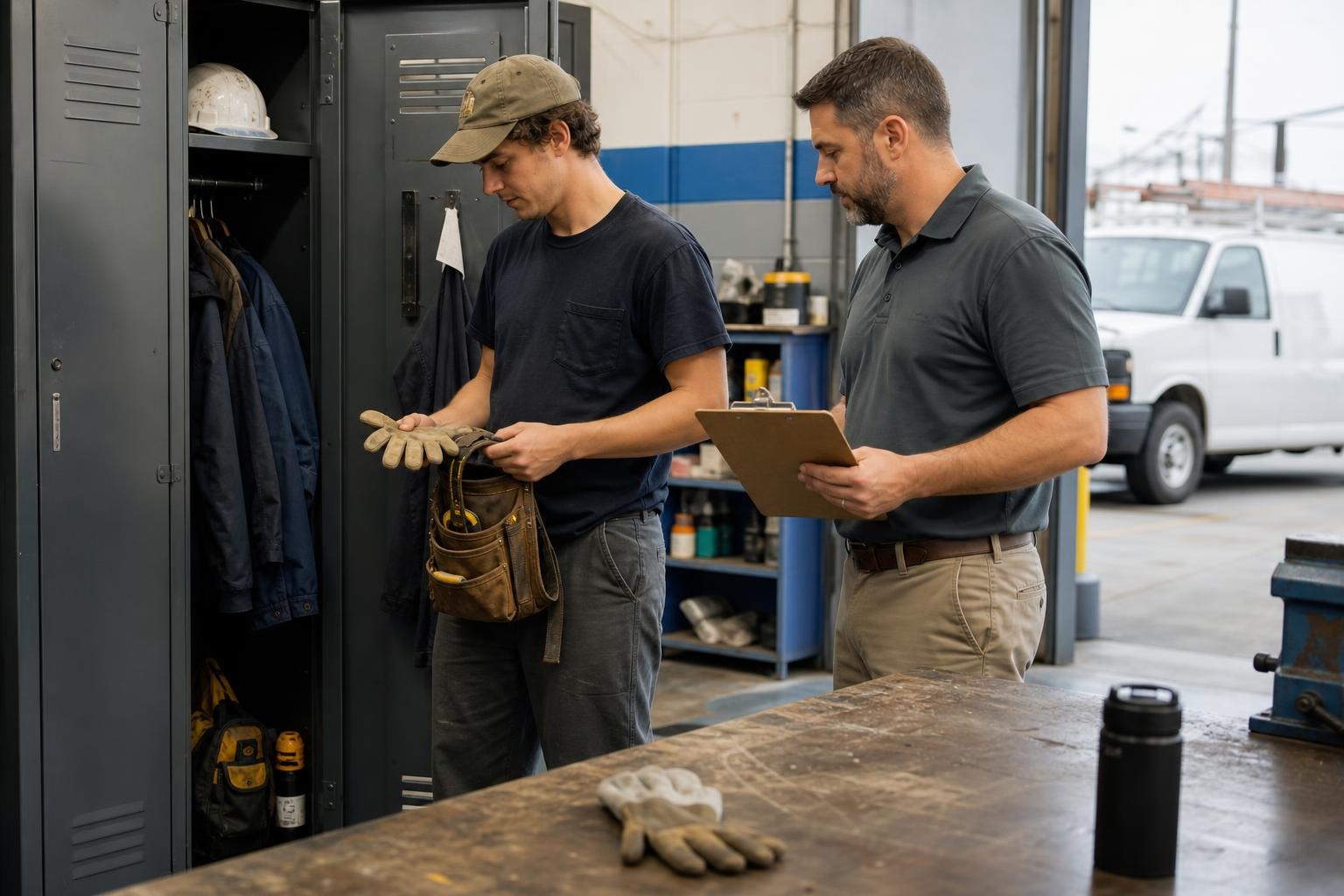
Thirty-, 60-, and 90-day meetings work better when employees know they are coming and can prepare. Guided questions help surface concerns that might be missed when someone is asked for feedback without warning.
Role playing, skill assessments, templates, rubrics, and software checklists can make progress more visible. A graduation checklist can clarify when a new hire is ready to move from onboarding toward independent field work.
An unplanned ride-along, uncertainty over an assigned trainer, or a last-minute change can seem minor by itself. Repeated disruptions can lead a new employee to question whether the company was prepared for them.
A simple playbook is more dependable than relying on memory or instinct. It can be expanded as leaders learn where new employees need the most support.
Deliberate onboarding replaces avoidable ambiguity with a shared standard. That structure shows employees that their progress matters from the first day.
Employees need to see how their work connects to the company and where it could lead. A career path does not require a promise that everyone will become a manager, but it does require a visible map of development options.
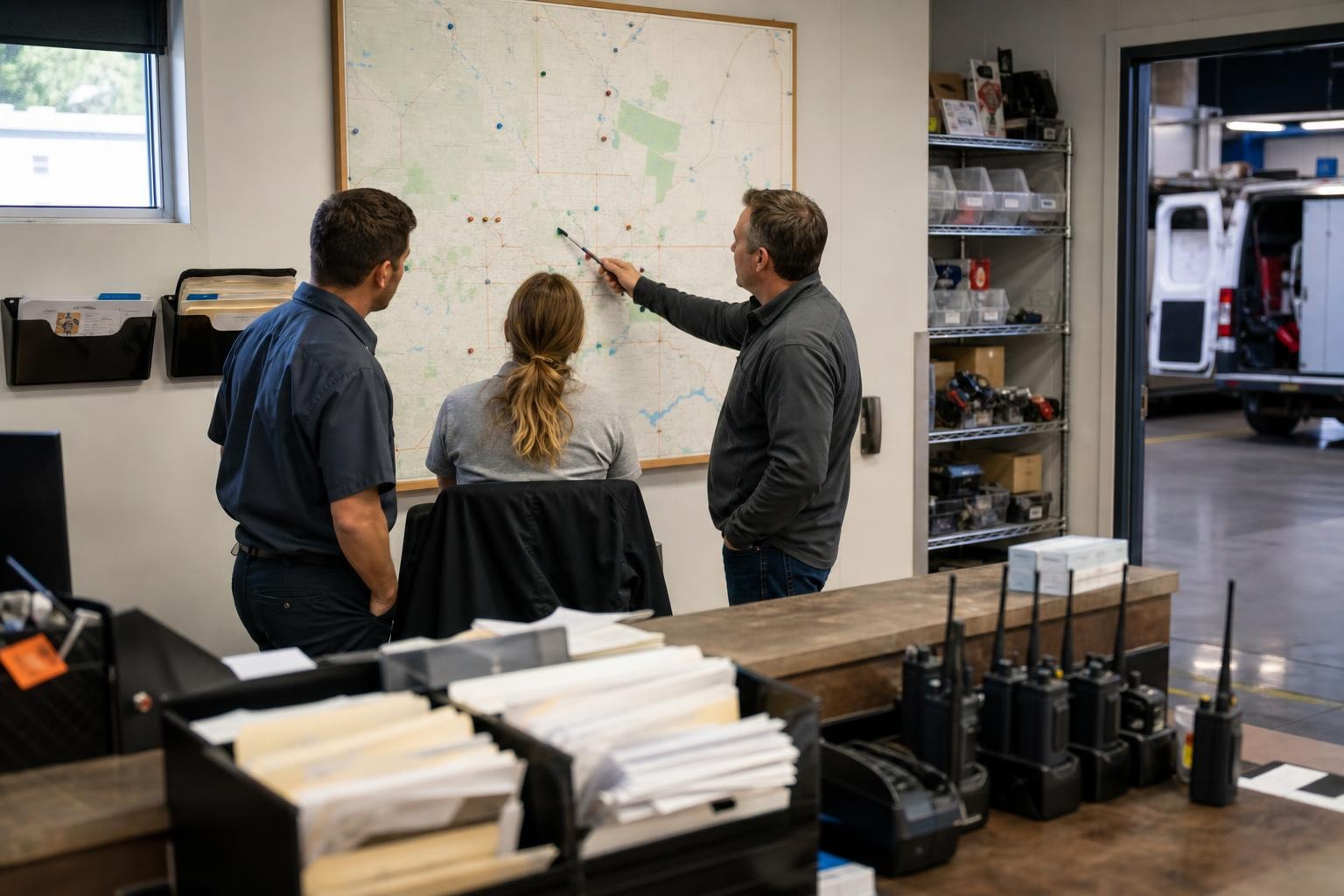
Leaders can explain what the business is trying to build and how each department contributes. That context helps people see more than a job description and understand how their work supports future progress.
Telling employees to work on development leaves too much open to interpretation. Naming the skills, responsibilities, and options connected to a next role gives people a direction they can act on.
Brief time with customer service representatives, dispatch, installation, and field teams can connect work across the company. It can also reduce frustration when employees understand the pressures and responsibilities in another role.
Career development becomes more credible when it connects to daily work and regular communication. Employees can then see both the standards they must meet and the options available to them.
A clear map does not resolve every career decision, but it gives people a route to follow. That clarity can strengthen buy-in well before a promotion becomes available.
A more reliable talent pipeline begins when contractors stop searching only for finished technicians and start developing people who can become capable team members. Training requires structure, but it opens access to candidates who may not otherwise enter the trades.
First, character, customer care, and willingness to work give technical instruction a stronger foundation. Experience remains valuable, but it is not the only sign that someone can succeed in the role.
Second, onboarding should make the first 90 days visible rather than improvised. Prepared check-ins, assessments, and milestones help everyone understand what progress looks like.
Third, mentors and new hires both need a map. Training support, cross-department awareness, and defined growth routes keep important expectations from staying only in a leader’s head.
Contractors facing a hiring shortage can begin with one practical move: document the path a new employee should follow from the first day through initial field readiness. That preparation can reveal the next training priority before a new hire arrives.
Home Service Training Programs do not need to begin as large academies. A consistent onboarding process and a clear commitment to development offer a workable place to start.
They can, provided the company has a thoughtful plan, available mentors, and time to teach. Hiring should still assess character, customer care, and willingness to work.
It can include scheduled check-ins, guided questions, skill assessments, role playing, checklists, and objective milestones for increased responsibility.
They can open the door to people seeking a career change who need a clear entry point and credible instruction before they can work independently.
Cross-department exposure helps employees understand how customer service, dispatch, installation, and field work connect. That awareness can improve communication and reduce frustration.
Start with onboarding, then define the desired training timeline, business needs, and logistics required to support entry-level development.

Danielle Putnam : Aug 7, 2026, 5:13:05 PM
Don’t Judge Your Next Technician By Her Purple Hair By Danielle Putnam

 Matt Koop : Oct 14, 2026, 11:00:01 AM
A few weeks ago I was on the phone with a contractor who was having about as rough a year as you can have.