

4 min read
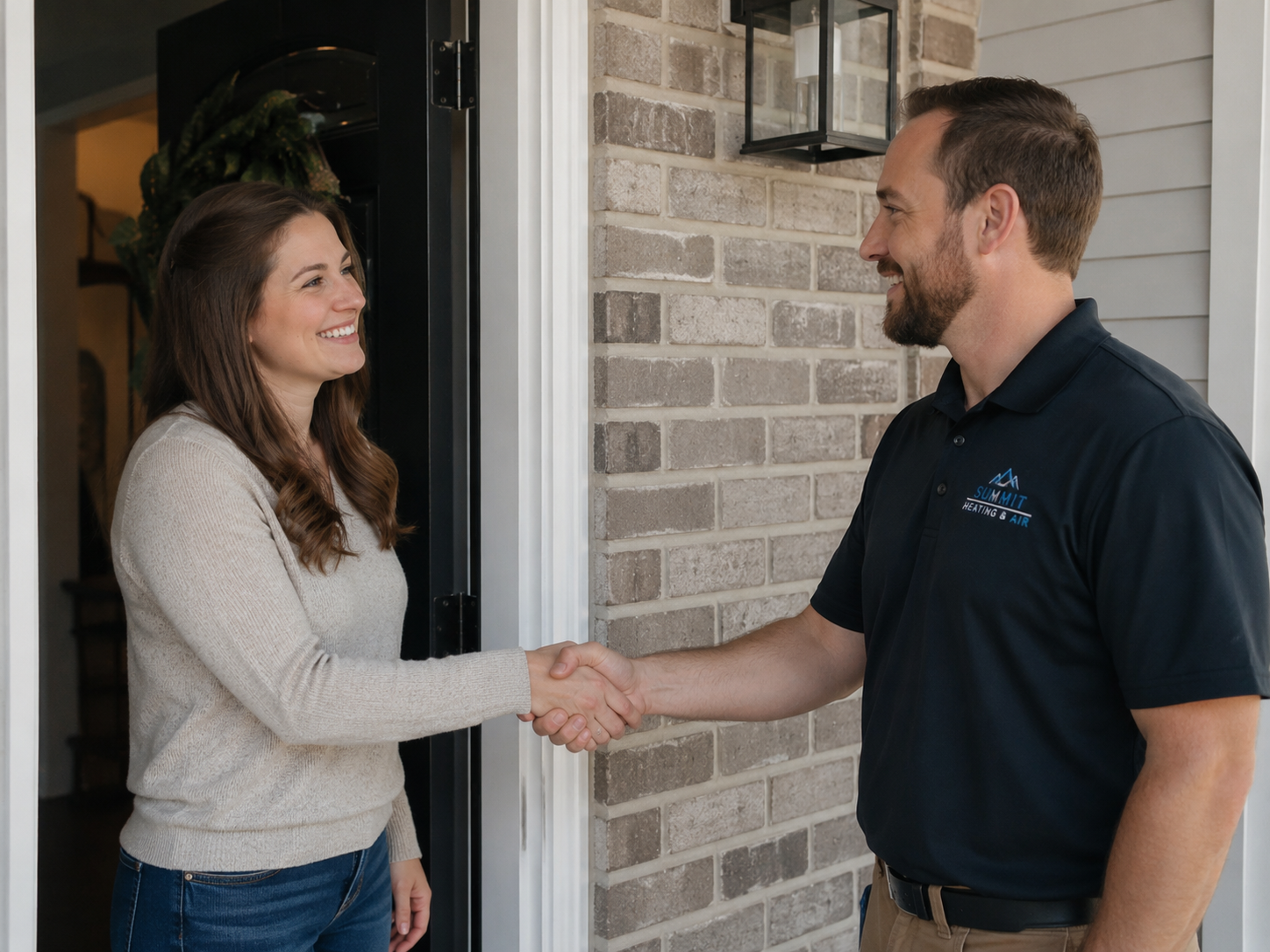
Your tech lays out the problem. The homeowner nods, thinks about it for a second, and says "I think we'll just wait on that for now." The tech packs up, and everyone treats it like the sale is over. Time to move on to the next call.
That's the wrong read on what just happened.
"I'll wait" almost never means "I can't afford it." It means "I don't understand why this can't wait." Those are two completely different problems, and only one of them is actually about money. The jobs getting left on the table here aren't price objections. They're communication failures, and communication failures are fixable.
Why Homeowners Actually Say This
Put yourself in the homeowner's position for a second. They don't have years of field experience telling them how a small refrigerant leak turns into a compressor failure, or how a cracked heat exchanger goes from an inconvenience to a safety issue. All they have is a tech telling them something is wrong and a price to fix it. Without a clear picture of what happens if they don't, waiting feels like the safe, free option. Why spend money today on a problem that seems to be working fine right now?
Your tech knows the failure trajectory. The homeowner doesn't. That gap isn't a sales problem. It's an information problem, and it gets solved with the right words, not a harder push.
The Reframe: Risk, Not Ultimatum
The fix isn't pushing back on "I'll wait." It's describing what waiting actually costs, in terms the homeowner can picture, without turning into a scare tactic.
Instead of arguing with the decision to wait, your tech names the specific, concrete risk. Not "this could get worse" in the abstract, but the actual thing that happens next. A slow leak that turns into a full system failure in July. A part that's a $200 fix today and a $2,000 replacement in six months. A safety issue that isn't dramatic yet but won't stay that way.
This isn't pressure. It's information the homeowner didn't have a second ago. Give it to them clearly, then let them make the call. Most of the time, once they actually understand the risk, waiting stops looking like the safe choice.
How to Handle "That's Too Expensive" Without Dropping Your Price covers the same moment in a service call from a different angle. That post is about price objections. This one is about timing objections. Different root cause, same fix: give the homeowner real information instead of backing off.

Word-for-Word: What to Actually Say
Here's the shape of the conversation in three common scenarios.
The aging system limping along. "I hear you, and it's totally reasonable to want to hold off if it's still running. Here's the thing I want you to know before you decide: a system this age with this issue usually doesn't fail gradually, it fails all at once, usually on the hottest or coldest day of the year, which is also the most expensive time to get it fixed. I'm not saying you have to decide today. I just want you making that call with the full picture."
The cheap-now, expensive-later repair. "Totally your call, I just want to make sure you know what we're looking at if we wait. Right now this is a straightforward fix. If it goes much longer, it usually takes out [the related part] with it, and that repair runs a lot higher. I'd rather you know that now than find out the hard way."
The safety-adjacent issue. "I want to be straight with you on this one. This isn't a 'nice to fix eventually' item, it's a 'this affects your family's safety' item. I'm not going to pressure you, but I'd be doing you a disservice if I didn't say that clearly."
Each script follows the same shape. Acknowledge the decision to wait without arguing with it. Name the specific risk in plain terms. Then offer a real choice instead of a single yes-or-no.
Present Options, Not an Ultimatum
A homeowner who feels boxed into "fix it now or don't" tends to pick "don't." A homeowner shown a real range of ways to address the problem stays in the conversation.
This is where a five-option menu earns its place in this exact moment. Giving a homeowner a lower-tier option isn't dropping your price to save the job. It's giving them a legitimate way to act now instead of deferring indefinitely. Maybe they can't justify the full replacement today, but they can justify the stopgap repair that buys them time without leaving the risk unaddressed. That's a real solution, not a discount.
Why Giving Customers Exactly What They Asked For Loses You the Job makes a related point. Taking "I'll just wait" at face value and walking away is the same mistake as giving a customer exactly what they asked for instead of what they actually need. In both cases, the fix is the same: show them the full picture before they decide, not after.
Why This Matters Beyond the One Call
Every deferred repair that never gets a real follow-up is revenue quietly leaving the business. It doesn't show up as a lost job in any tracking system. It just never becomes a job at all. One call like that doesn't move the needle. Dozens of them a month, every month, add up to real money left on the table.
The Most Expensive Time to Fix Your Pricing System Is After You Grow gets at a similar blind spot. Contractors chase growth while a quieter leak sits underneath it, uncounted. Deferred repairs that never get closed are one more version of that same problem, just happening call by call instead of system by system.
Build This Into How Your Team Talks
This only works if it's trained and repeated, not read once and forgotten. A tech who has this language internalized handles the "I'll wait" moment naturally, without sounding scripted and without backing down. A tech who's just been told "don't let them wait" with no actual words to use either freezes in the moment or pushes too hard and damages the trust they just built.
The Bottom Line
"I'll wait" is a solvable objection, not a lost sale. The fix isn't a harder push and it isn't a lower price. It's giving the homeowner the risk information they didn't have, and a real set of options once they have it.
If you want your whole team equipped with this kind of language for every moment on a call, not just this one, the Ultimate List to Wow Your Techs is built exactly for that.