

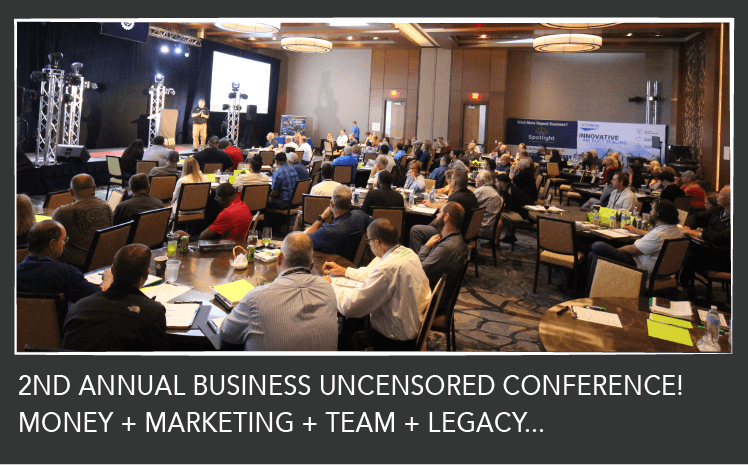
Second Annual Business Uncensored Conference
 The New Flat Rate : Oct 1, 2019, 3:49:11 PM
theNEWS did it again! They wrote a great article about our 2nd Annual Business Uncensored Event!
4 min read
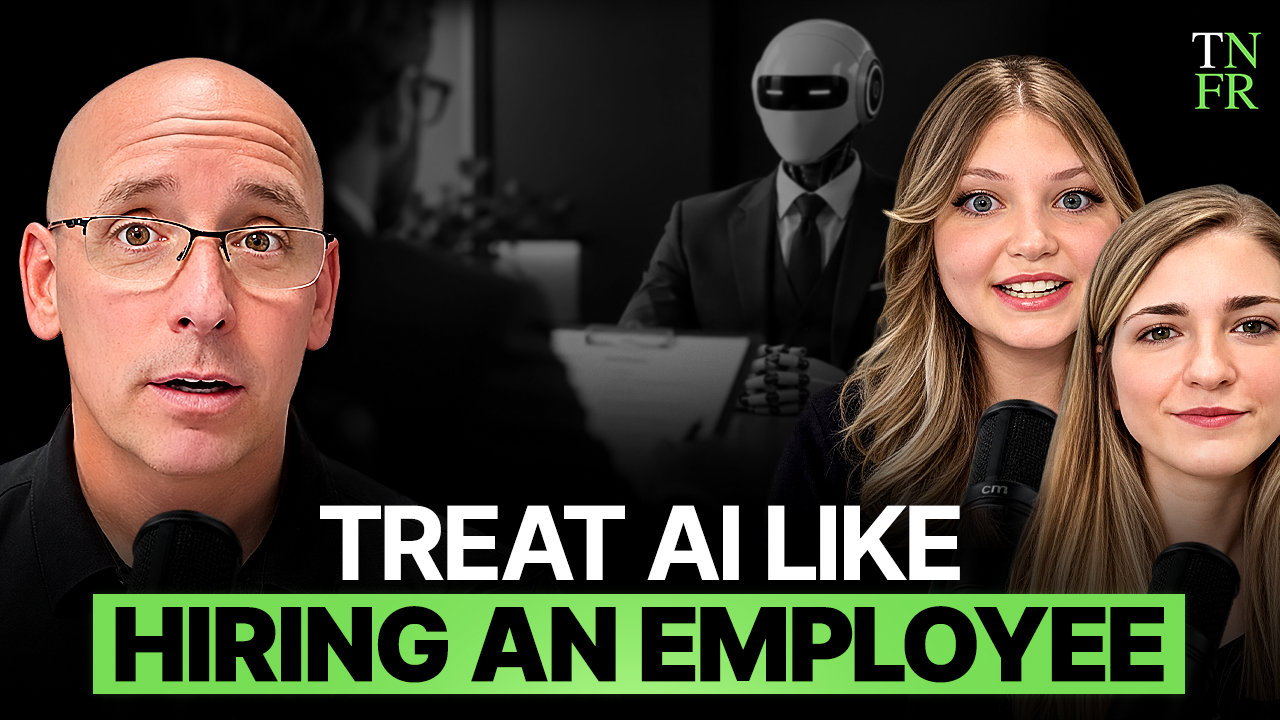
New technology can promise faster work, stronger sales, and less stress, yet many contractors end up with another subscription that does not improve daily work. The challenge is choosing a tool because it solves a real business problem, not because it is new.
The pressure to act is real as AI develops quickly, but a rushed purchase can create more disruption than value. Without a clear purpose, ownership, training, and measurement, capable software can become an expensive distraction.
Dean Curtis, CEO of ingage, is a technology leader with experience at Apple and decades of helping businesses adopt new technology. His perspective treats technology as a business resource that needs a defined job and a way to prove its value.
The sections below break down how to identify the right problem, prepare a team for change, support customer trust, and measure whether a new tool is working.
The best starting point is not a product demonstration. It is a close look at the part of the business holding progress back, whether that is appointment cancellations, sales preparation, customer communication, or an inconsistent process in the home.

Describe today’s process and the result the business wants in plain terms. Without that contrast, it is difficult to decide whether a proposed tool fits the work or merely adds another task.
Several needs may compete for attention, but not all should drive a purchase. The priority is the issue most directly preventing the team from reaching its goal, then removing that blocker before moving to the next one.
AI for contractors should be assessed like a new role on the team. The business needs to know the responsibility it will handle, how it will be introduced, and what success will look like.
This sequence prevents a team from forcing a fashionable solution onto the wrong problem. It also gives leaders a practical basis for comparing options.
Takeaway: Start with the constraint, then select a solution with a clearly defined job.
Implementation takes more work than many leaders expect. Adding or replacing software affects workflows, data, habits, and the confidence of people who already perform well with familiar methods.

A vendor’s timeline is not the whole effort. New tools can expose overlooked dependencies and require adjustments that become clear only when people begin using them in real work.
People who work directly with customers often see practical issues that are invisible in a demonstration. Their feedback can show whether a tool helps the workflow or makes it harder to follow.
A trusted colleague can help peers understand why the change is being made while gathering feedback and surfacing friction. The role is not to pressure employees, but to support practice in realistic conditions.
A plan built around users is more durable than one built around an announcement. Employees are more likely to adopt a workflow when they can see how it supports the job they need to do.
Takeaway: Treat adoption as a managed change process, with users involved from the beginning.
A new platform should not be judged by novelty or by how often people discuss it. Its value comes from a measurable contribution to a business outcome and from helping team members serve customers with preparation and consistency.

Every tool needs a measure connected to the job it was hired to do. Depending on the use case, that may be presentations completed, appointment cancellation rate, close rate, time spent with a customer, upsell activity, or average deal size.
In-home representatives need to be ready for customer questions, particularly when leads are expensive. Relevant content can help them explain the work consistently and show visual proof of the process or completed projects.
Technology can support quick research and tailored materials for a home, neighborhood, or project type. The customer still cares about timely arrival, clear communication, and a solution to the problem at hand.
Measurement turns a technology decision into an operating decision. It clarifies whether the business should continue, refine, or reconsider the investment.
Takeaway: Connect every new tool to a measurable result and a better customer experience.
AI is moving quickly, which makes indefinite delay a risky strategy. Moving promptly does not mean buying every product that appears; it means building a disciplined way to evaluate and adopt useful tools.

Popular tools can capture attention even when they have no defined purpose in the business. That pattern can lead to buyer’s remorse because the purchase was driven by possibility rather than a verified need.
A narrow starting point makes it easier to train users, identify friction, and observe results. It also prevents a new workflow from disrupting every part of the business at once.
Review the KPI, user feedback, and whether the process is actually being used. A promising tool that does not fit daily work may need refinement before it reaches more of the team.
A disciplined pilot helps a contractor learn quickly while limiting unnecessary disruption. Expansion can follow when the initial workflow has demonstrated value.
Takeaway: Require a real problem, a focused rollout, and evidence of value before scaling.
Technology can help a contracting business operate with more consistency, preparation, and clarity when it is attached to a real need. Strong decisions begin with the work that needs to improve.
First, identify the constraint between the current state and the desired result. That step keeps a business from selecting a solution before it understands the problem.
Second, plan for the human side of implementation. Training, user feedback, and a trusted internal champion give a new workflow a better chance of becoming part of daily work.
Third, define the measure of success and keep the customer experience in view. Useful tools should help the team communicate clearly, prepare well, and show evidence that they can solve the homeowner’s problem.
For AI for contractors, the practical next move is to name one bottleneck, choose one outcome to measure, and involve the people who will use the tool before making a purchase.
That discipline allows contractors to respond to new technology with purpose rather than pressure as useful options emerge.
Identify the biggest bottleneck, define the desired outcome, and then assess whether AI can help solve that specific problem.
Assign a KPI connected to the tool’s job, track it after rollout, and review whether the expected value appears in real work.
Users can identify workflow issues early and are more likely to adopt a process they helped shape. Their feedback remains valuable throughout implementation.
Yes. Relevant research and tailored visual materials can support a more useful explanation when the representative remains focused on the homeowner’s needs.
The New Flat Rate : Oct 1, 2019, 3:49:11 PM
theNEWS did it again! They wrote a great article about our 2nd Annual Business Uncensored Event!

The New Flat Rate : Jun 30, 2016, 9:00:00 AM
This morning on my commute in I listened to a TED Talk podcast about the subject of the “Pecking Order” in relation to “super” chickens. Now, don’t...

The New Flat Rate : May 28, 2026, 4:47:36 PM
HVAC Business Growth: A Practical Guide for Contractors at Every Stage Published by The New Flat Rate